Getting Started with Ikebana
 shoan
shoanMany people tell me, “I’m interested in ikebana, but I have no idea where to begin.”
Tools? Flower names? Formal shapes? These are common concerns, but the very first step to starting ikebana is actually much simpler than most people think. Before joining a class, try making small shifts in your daily life to prepare yourself for welcoming ikebana into your routine.
Step 1 Make Time to Connect with Flowers
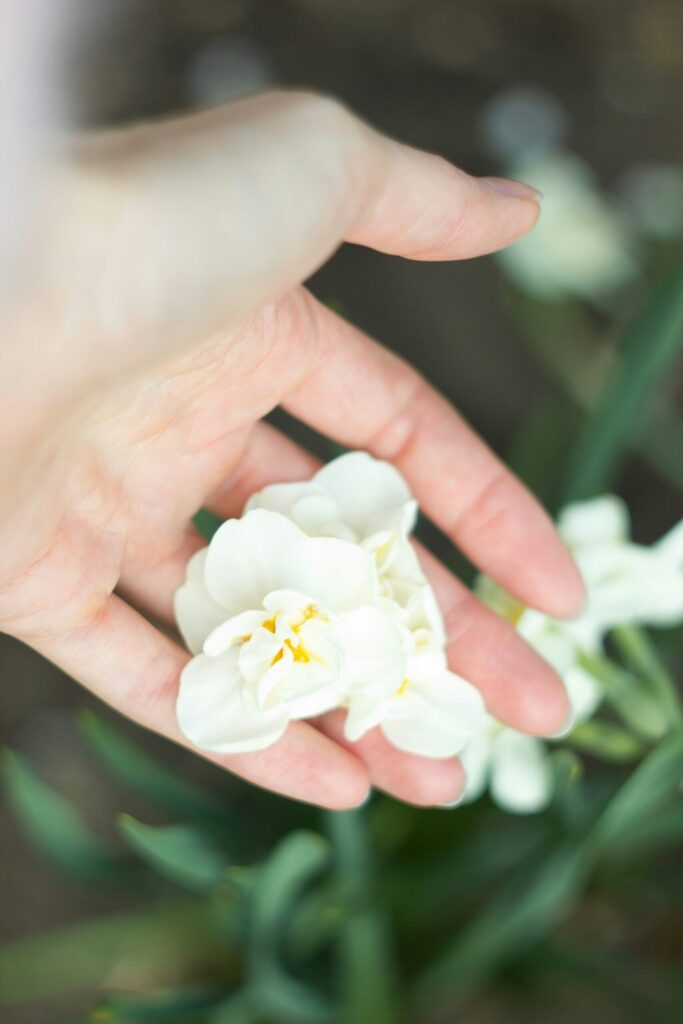
The first step in beginning ikebana isn’t trying to arrange flowers beautifully. It’s simply making time to be with them. Even a few minutes is enough. Pick up a flower, look at it closely, turn it in your hand. Just doing that gently slows the pace of your day. Hawaii’s rich natural environment harmonizes beautifully with the spirit of ikebana. All you need at the beginning is the willingness to enjoy a quiet moment face‑to‑face with a flower.
Step 2 Try Arranging Flowers Together with Leaves
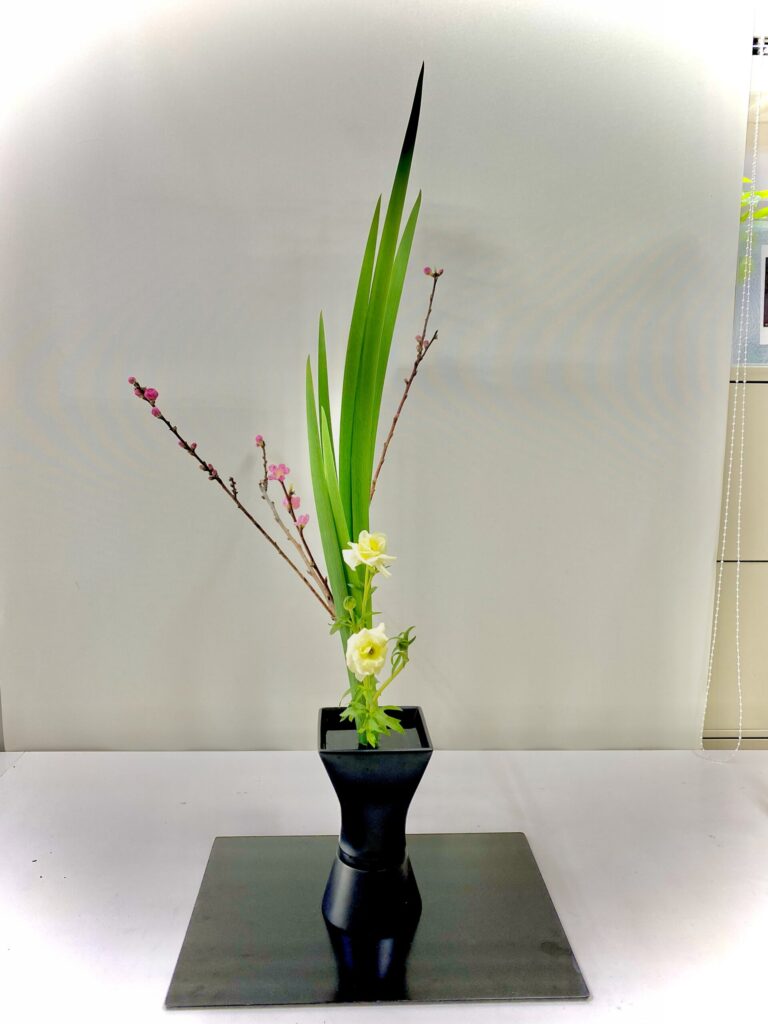
In ikebana, leaves are just as essential as flowers. Try pairing your favorite blooms with their own leaves and then add leaves from a different plant. This simple combination brings a slightly wild, natural atmosphere that you won’t get from an ordinary bouquet.
Ikebana values the beauty of nature. When you place your materials in a vase, imagine them outdoors, touched by wind and sunlight. That mindset alone brings your arrangement to life.
Step 3 Start First, the Tools and Knowledge Will Follow
Many people feel, “I can’t start until I have all the tools,” or “I need to memorize the names and rules first.” But you don’t need to know everything from the beginning. We provide all the tools you’ll use during the lessons. Ikebana is something you learn gradually by using your hands and developing a feel for the materials. As you continue, both the tools and the knowledge will naturally become familiar. What matters most is simply the desire to spend time with flowers. Start by choosing materials you like, and try arranging them.
As We Come to the End
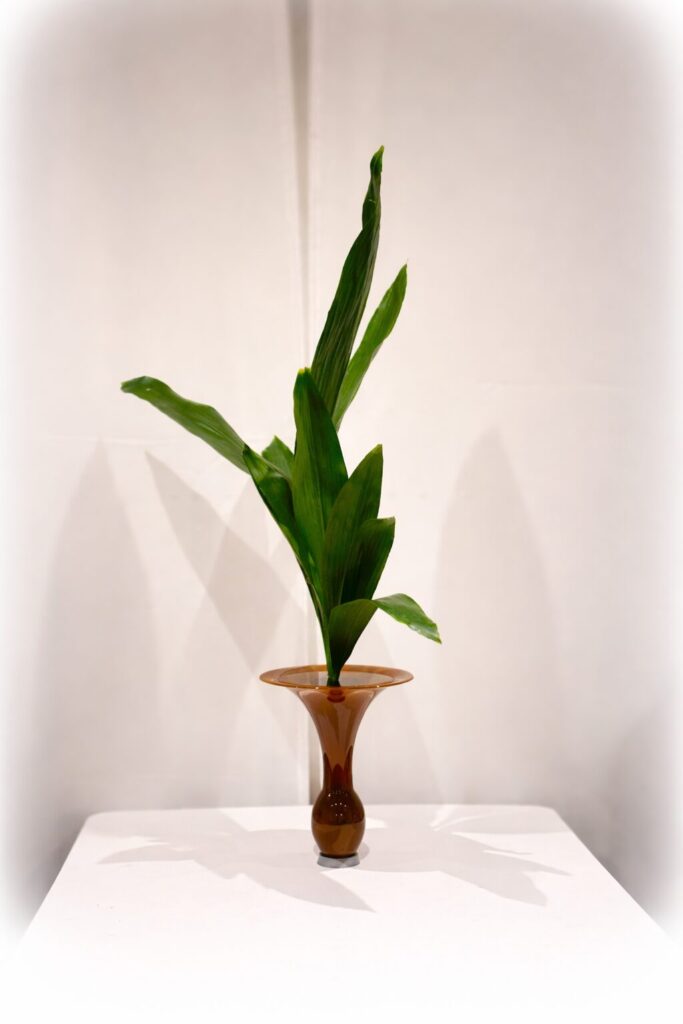
Don’t aim for perfection. Start by enjoying the process. In ikebana, there is no single “right” answer. Even if the materials don’t move the way you imagined or the shape turns out differently, that uniqueness becomes part of the charm. It becomes a one of a kind piece. As you gain experience, you will learn how to shape an arrangement “for now” and bring it together. But the most fascinating works are often the ones you create in the early stages. They may feel unfinished or hard to control, yet that is exactly why they reveal your “heart” the most. Are you bold, cautious, or someone who tends to look ahead?
Your first arrangements become a moment to enjoy the flowers while also discovering your own inner state.
In the next post, I will introduce the tools we use in our lessons in a clear and simple way.
\ Get the latest news /