-
/
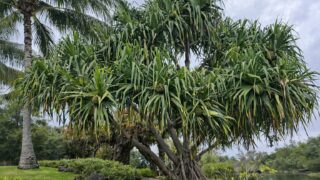
The Beloved Hala Tree of Hawai‘i: Where Culture and Nature Thrive
Encountering the Hala Tree: A Unique Presence in the Hawaiian Landscape As you walk through Hawai‘i, the Hala tree often catches your eye. Its leaves, which appear to bend sharply in the middle, have a distinctive look, and the impressive aerial roots give the tree a striking presence that makes you stop and take a closer look. The large, pineapple-like fruit is another feature that draws your attention. The Hala tree, known botanically as Pandanus…
-
/
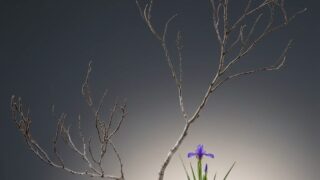
The Wisdom Held in a Single Branch
The “Memory of Life” Carried by Its Time and Journey The Moment of Encounter and the Story of a “Broken Branch”
-

/
What Makes People Think, “I Want to Follow This Leader”
The role of a leader is not just to give instructions or make decisions. At its core, it lies in the accumulation of small, everyday judgments. How one approaches each situation, what one prioritizes, and how decisions are made—these differences in attitude gradually influence the atmosphere of the organization and the behavior of its people. As a starting point, I believe that leadership is shaped not only by decisiveness, but by the quality of one’s…
-

/
May 1st in Hawaiʻi Is “Lei Day”
“May Day is Lei Day in Hawaiʻi♪” floating through the streets. As April comes to an end, a light and cheerful song begins to drift through Hawaiʻi: “May Day is Lei Day in Hawaiʻi♪” You’ll hear it everywhere from local radio to schoolyards where children sing it with bright, happy voices. The entire state gradually shifts into the warm, festive spirit of Lei Day. What Is Lei Day? A special day to celebrate Lei and…
-
/
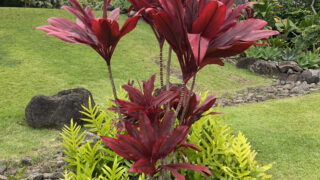
The Sacred Hawaiian Leaf “Ti Leaf”: A Story of Green and Red
In my previous post, I introduced Aspidistra (Haran), a familiar material in ikebana. This time, I’d like to talk about a plant that closely resembles it and is deeply symbolic of Hawaii, the Ti Leaf. A Leaf Filled With Hawaiian Spirit Called Ti in Hawaiian and known scientifically as Cordyline fruticosa, this plant is far more than simple foliage to the people of Hawai‘i. Since ancient times, it has been believed to hold mana, a…
-
/
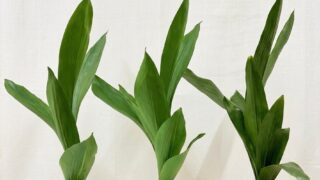
A Creation Born from a Lesson
Today, I’d like to introduce one of the pieces that emerged during my lessons. The very arrangement that first made me fall in love with Ikebana: a single-material composition using Aspidistra (Haran). The photo on the left shows my very first attempt. The one in the middle was created two years later. And the one on the right was arranged overseas, where long-stemmed Aspidistra is hard to find, using leaves that were not in the…
-

/
Talent Optimization on the Ground: Growing an Organization by Leveraging Individual Strengths
In store management, deciding who to place where is just as important as sales and profit. Products and location are difficult to change—but the impact of people can shift dramatically depending on how they are positioned. When people hear “the right person in the right place,” they may imagine complex HR theories. For me, however, it is daily practical judgments on the ground—constantly asking, “Where can this person perform at their best?” Here is how…
-
/
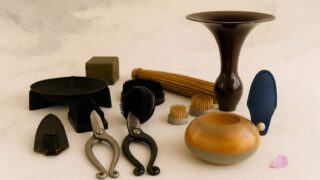
Ikebana tools used in lessons
Ikebana is one of Japan’s traditional arts, yet it remains closely connected to everyday life. One of its charms is that you can enjoy it without needing any special equipment. Still, there are a few items that can make your practice more convenient, so I’d like to introduce some of them here. Flower Shears (Hanabasami) The shape of flower shears varies depending on the ikebana school, and regular pruning shears can be used as a…
-
/
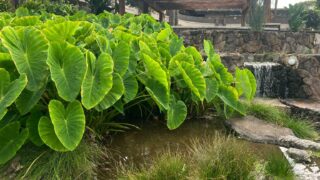
What Is Taro (Kalo), the Plant That Sustains Hawaiian Culture?
Today, I’d like to introduce a plant that we, as people who work closely with nature here in Hawaiʻi, should truly understand and honor. Have you ever seen these large, heart-shaped leaves around the islands? Yes, this is the famous taro, known in Hawaiian as Kalo. Kalo grows to about 1–2 meters tall, and each leaf can reach 40–90 centimeters. Its underground corm can be quite large as well, sometimes over 20 centimeters in diameter…
-
/
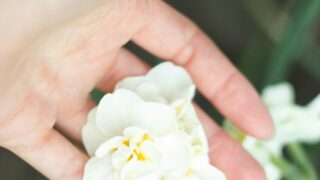
Getting Started with Ikebana
Many people tell me, “I’m interested in ikebana, but I have no idea where to begin.”Tools? Flower names? Formal shapes? These are common concerns, but the very first step to starting ikebana is actually much simpler than most people think. Before joining a class, try making small shifts in your daily life to prepare yourself for welcoming ikebana into your routine. Step 1 Make Time to Connect with Flowers The first step in beginning ikebana isn’t…