The Beloved Hala Tree of Hawai‘i: Where Culture and Nature Thrive
 shoan
shoan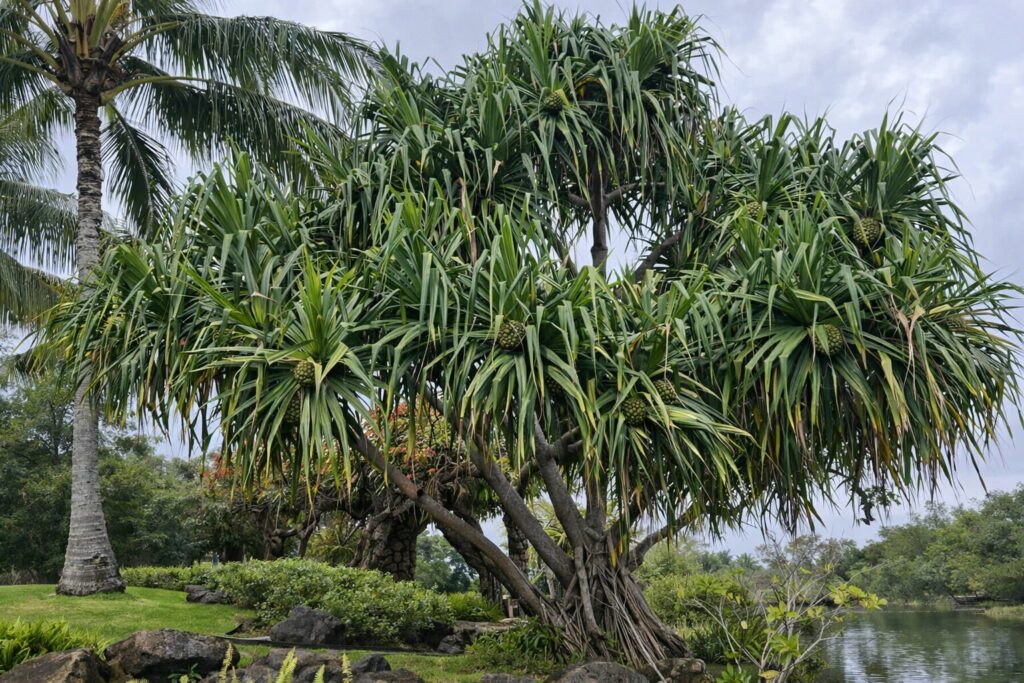
Encountering the Hala Tree: A Unique Presence in the Hawaiian Landscape
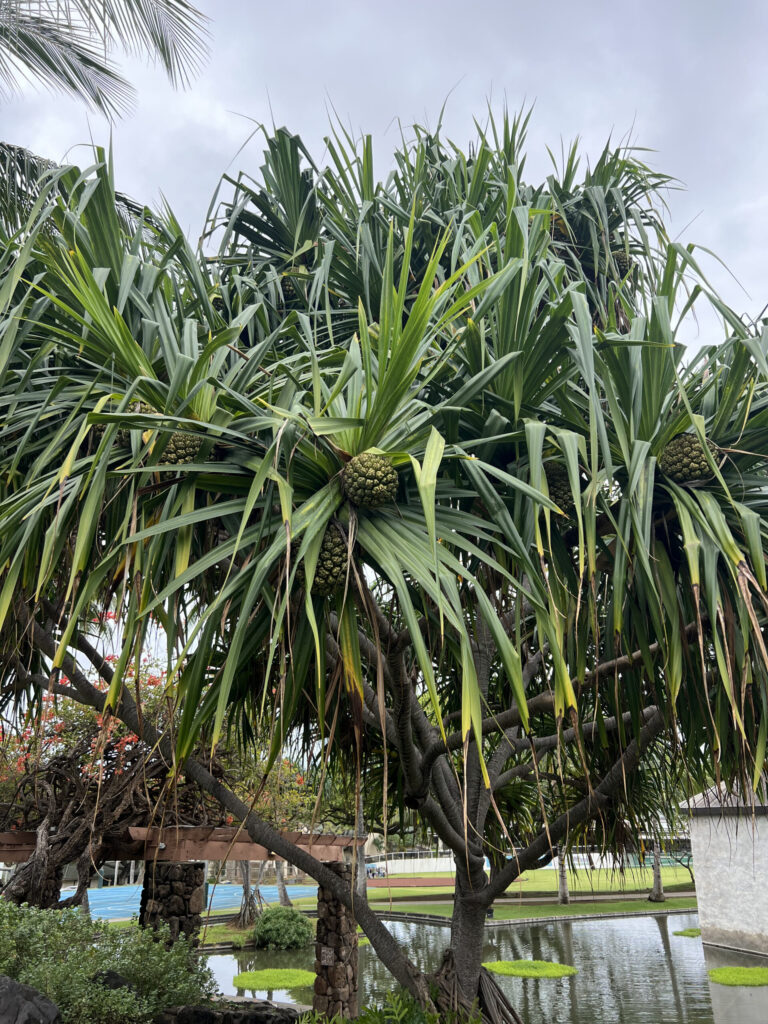
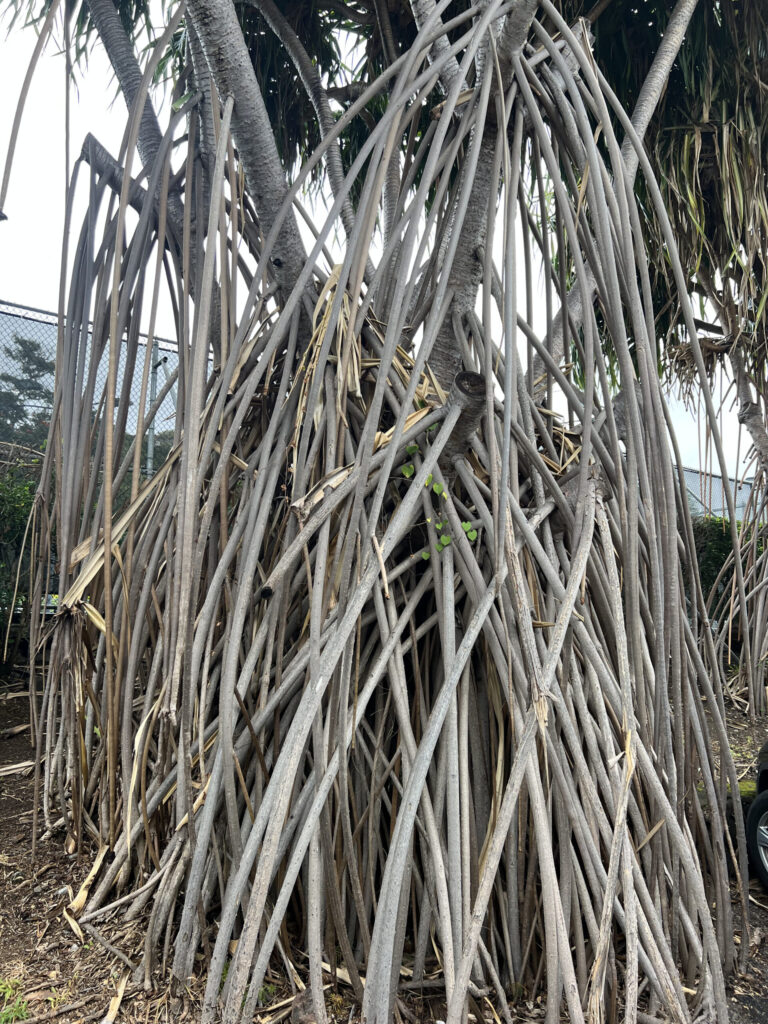
As you walk through Hawai‘i, the Hala tree often catches your eye. Its leaves, which appear to bend sharply in the middle, have a distinctive look, and the impressive aerial roots give the tree a striking presence that makes you stop and take a closer look. The large, pineapple-like fruit is another feature that draws your attention.
The Hala tree, known botanically as Pandanus tectorius, is called Hala in Hawaiian, and its leaves are known as Lau Hala. It grows commonly along coastlines and in lowland valleys, reaching heights of about 4.5 to 9 meters (15–30 feet). Its characteristic aerial roots anchor the tree firmly and add to its powerful, sculptural appearance.
The Natural Design of the Hala Tree: Bent Leaves and Adaptation to Strong Winds
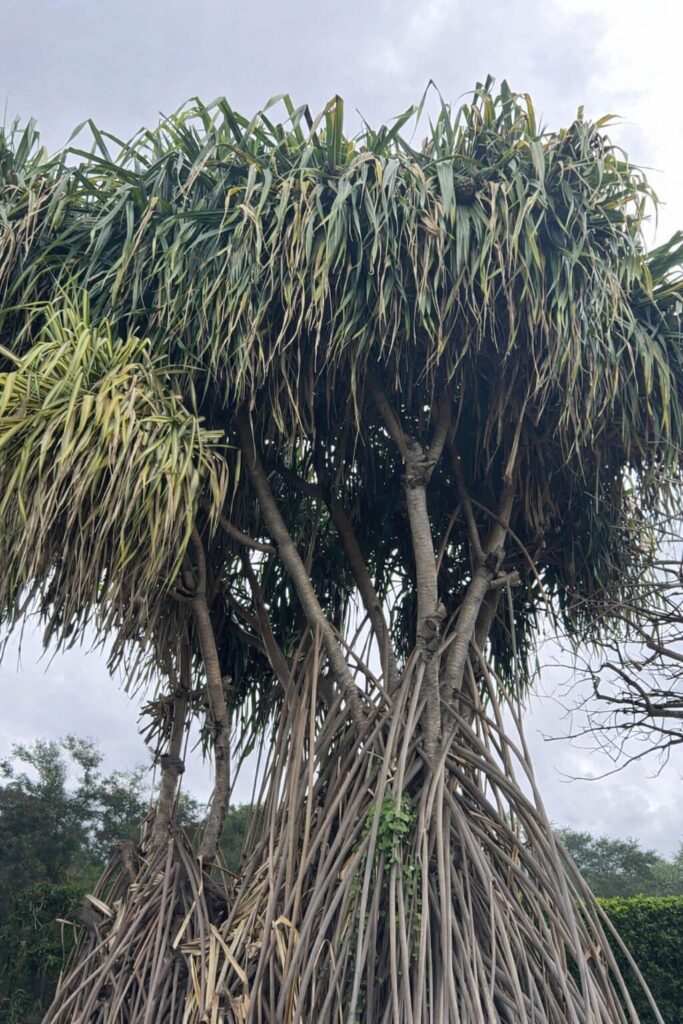
One of the most distinctive features of the Hala tree is the way its long leaves bend almost at a right angle near the middle. These leaves, which can reach 80 to 180 centimeters in length, naturally fold under their own weight and shape. This unique form is believed to be an adaptation that helps the tree withstand Hawai‘i’s strong winds.
Another remarkable characteristic of the Hala tree is its sturdy aerial roots, which extend powerfully toward the ground. These multiple roots grip the earth firmly, allowing the tree to remain stable even during strong winds and tropical storms. In Hawaiian schools, these roots are often used as a metaphor for life: teachers encourage children to “grow strong roots” so they can stand firm and become resilient adults. In this way, the natural form of the Hala tree becomes a lesson in strength and grounding.
Lauhala Traditions and the Spiritual Significance of the Hala Tree
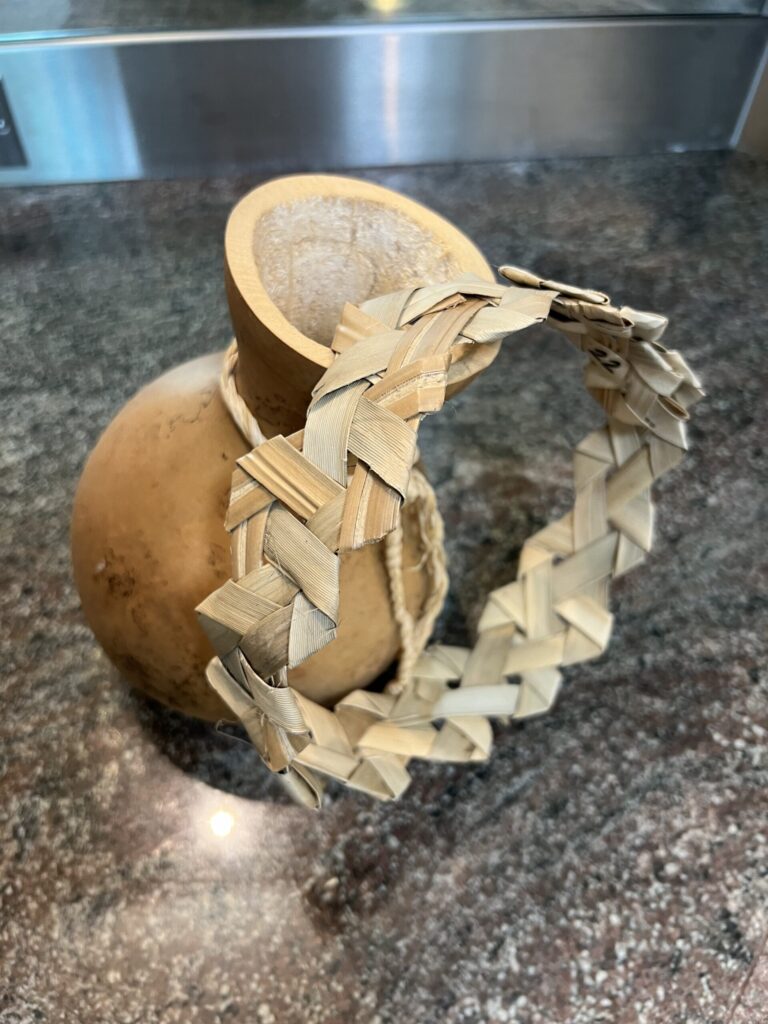
The Hala tree has long been an essential part of daily life in ancient Hawaiian society. Its leaves, known as Lau Hala, were woven into mats, hats, baskets, fans, sandals, bedding, roofing materials, and even sails for canoes. This weaving tradition continues today, and in local elementary schools, children still learn to handle the leaves and create their own mats or small baskets as part of cultural education.
The large yellow-to-orange fruit of the Hala tree is also highly valued. Each fruit is made up of many individual segments called keys, which can be removed and strung together to create beautiful lei. Because hala symbolizes “a new beginning” in Hawaiian culture, Hala lei are often given at important life milestones such as graduations, weddings, and funerals.
Spiritually, the Hala tree is regarded as a Kupua, a nature spirit, and appears in many traditional stories, rituals, and cultural practices. Its presence carries a sense of protection and guidance. The Hala tree is also the symbol of one of Hawai‘i’s most prestigious local schools, reflecting how deeply it is rooted in the community’s identity and heritage.
Efforts to Preserve Tradition
In recent years, an invasive pest known as the Hala scale (Thysanococcus pandani) has been spreading across the islands since it was first identified on Maui in 1999. It damages young trees and makes the mature leaves unsuitable for weaving, posing a serious threat to the traditional lauhala craft. Today, biological control efforts and conservation initiatives are underway to protect the Hala tree and preserve the cultural practices that depend on it.
The Hala tree embodies both the gifts of nature and the wisdom of Hawaiian culture. It has long been cherished not only as a practical resource but also as a spiritual symbol. Knowing this, one cannot help but hope that this remarkable plant will continue to be passed down to future generations.
\ Get the latest news /