The Sacred Hawaiian Leaf “Ti Leaf”: A Story of Green and Red
 shoan
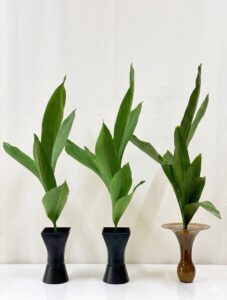
shoanIn my previous post, I introduced Aspidistra (Haran), a familiar material in ikebana. This time, I’d like to talk about a plant that closely resembles it and is deeply symbolic of Hawaii, the Ti Leaf.
A Leaf Filled With Hawaiian Spirit
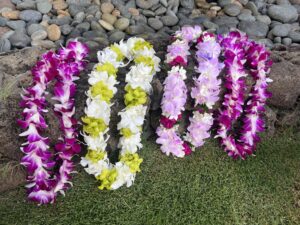
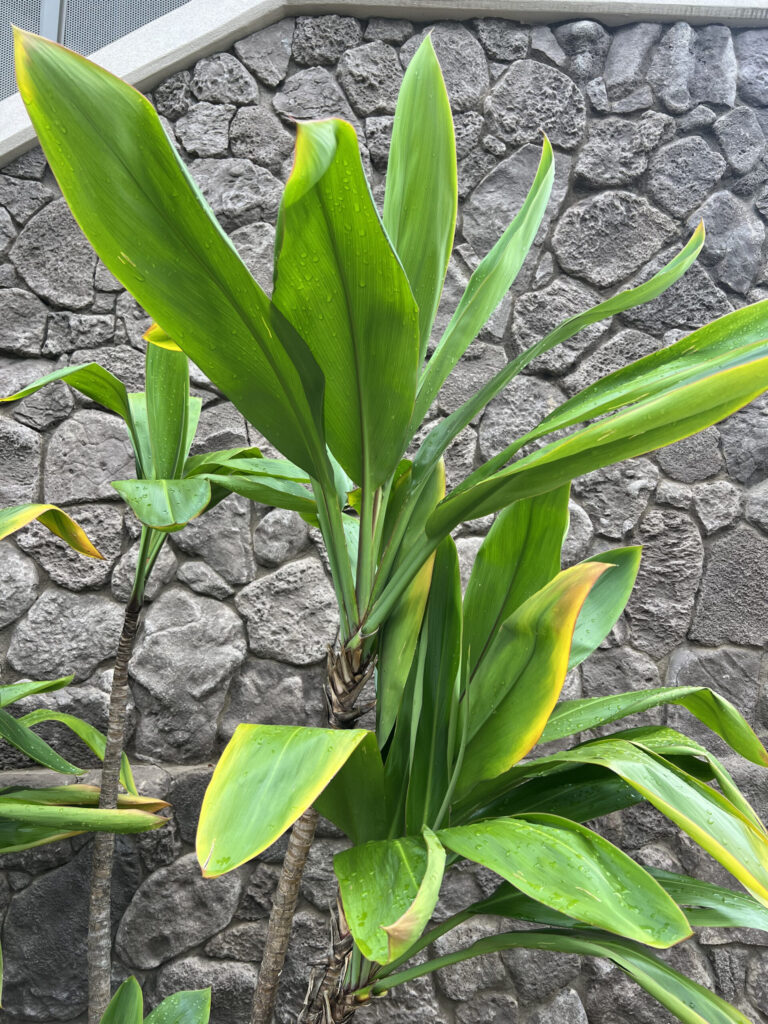
Called Ti in Hawaiian and known scientifically as Cordyline fruticosa, this plant is far more than simple foliage to the people of Hawai‘i. Since ancient times, it has been believed to hold mana, a sacred spiritual power, and has been used to ward off negativity and invite good fortune. You may recognize it from hula skirts (pā‘ū) or the green Ti-leaf lei worn around the neck.
In Schools in Hawaii, children also learn about traditional culture by cooking with Ti leaves. Dishes such as laulau, where meat or fish is wrapped in the leaves and steamed, or foods baked in an underground oven (imu), rely on Ti leaves as essential wrapping material. They are truly woven into the fabric of Hawaiian food culture.
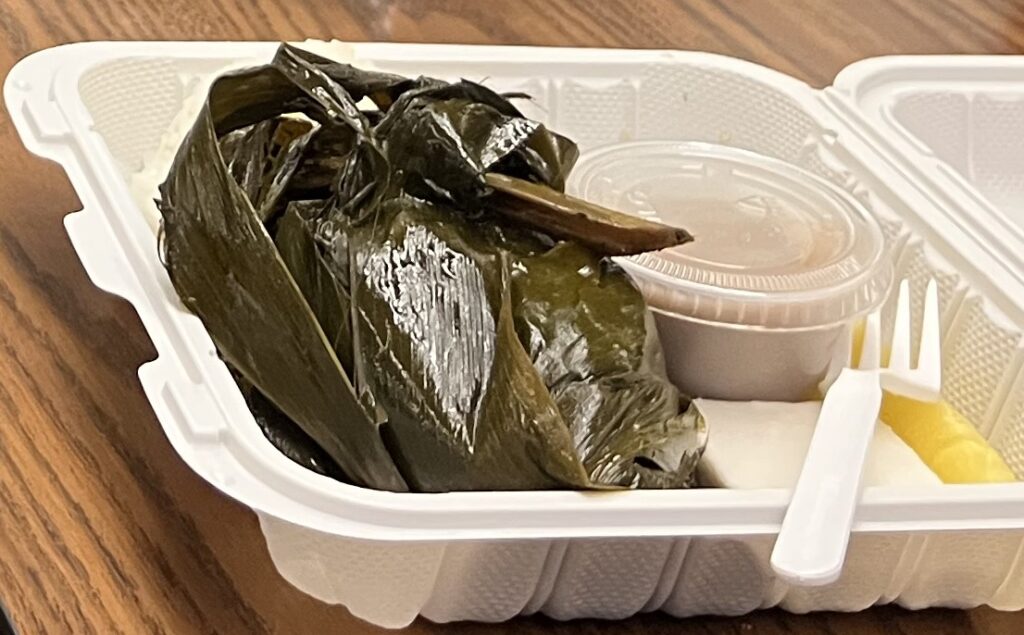
The laulau prepared by the children—slowly steamed in the imu—seems to carry the aroma of Ti leaves right through the phot
Green and Red: Two Colors, Two Purposes
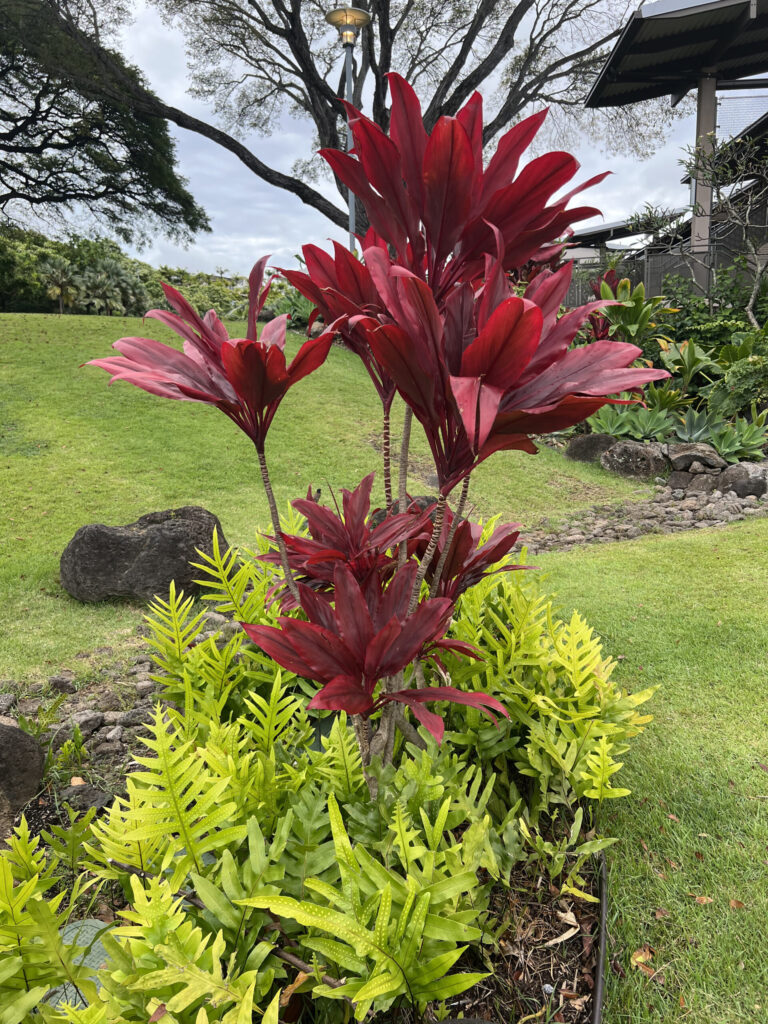
When we think of Ti leaves used in rituals or cooking, the bright green variety usually comes to mind. But if you walk through Hawaiian parks or neighborhoods, you may notice another type with deep, wine-red leaves. This is the Red Ti, and it is actually the same species
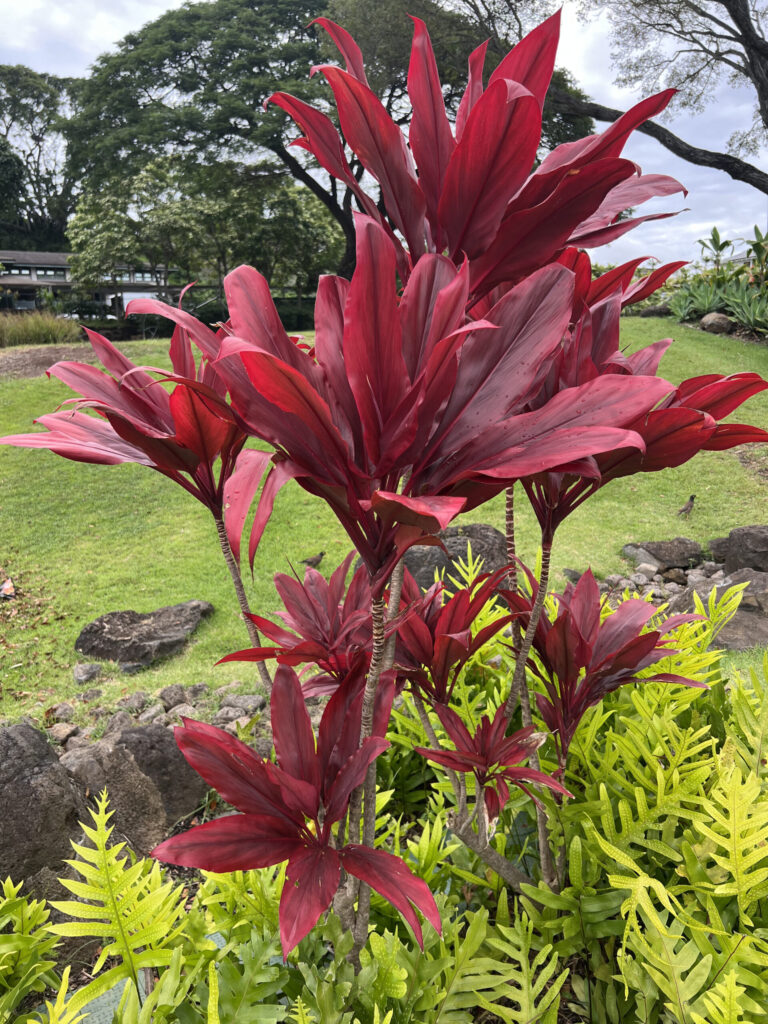
You might wonder whether the color changes with the season or soil, but that’s not the case. Unlike hydrangeas or autumn foliage, Ti plants come in distinct varieties from the start,green and red.
- Green Ti: Soft, flexible leaves. Heat-resistant, ideal for cooking, clothing, and sacred rituals.
- Red Ti: Popular as an ornamental plant. Leaves are stiffer, and the color can transfer, making them unsuitable for cooking.
Nature’s Chance, Shaped Into Human Design
Long ago, wild Ti plants were almost entirely green. But on rare occasions, nature produced a plant with red streaks through a spontaneous mutation. Polynesian voyagers and later horticulturists recognized their beauty and carefully propagated them through cuttings and selective breeding.
The colorful varieties we see today are the result of nature’s accidents, refined over generations into intentional human “design.” Meanwhile, the traditional green ti used in rituals remains closest to its original, untamed form—retaining the strong “wild vitality” of its ancestors.
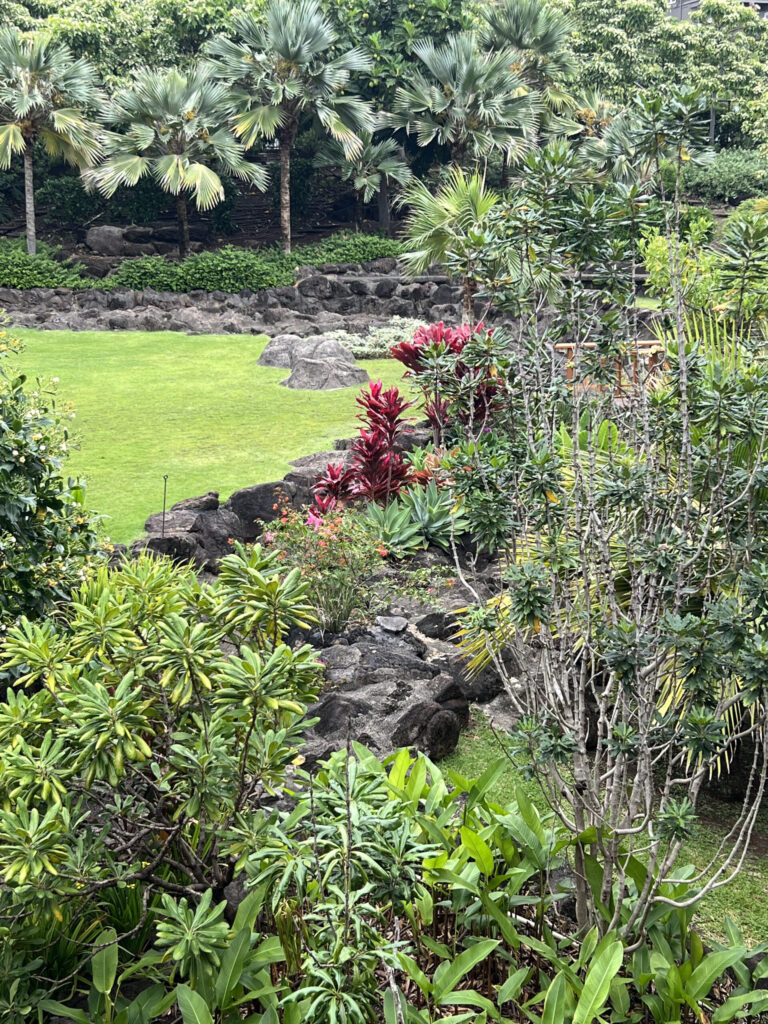
A Moment to Reflect on History
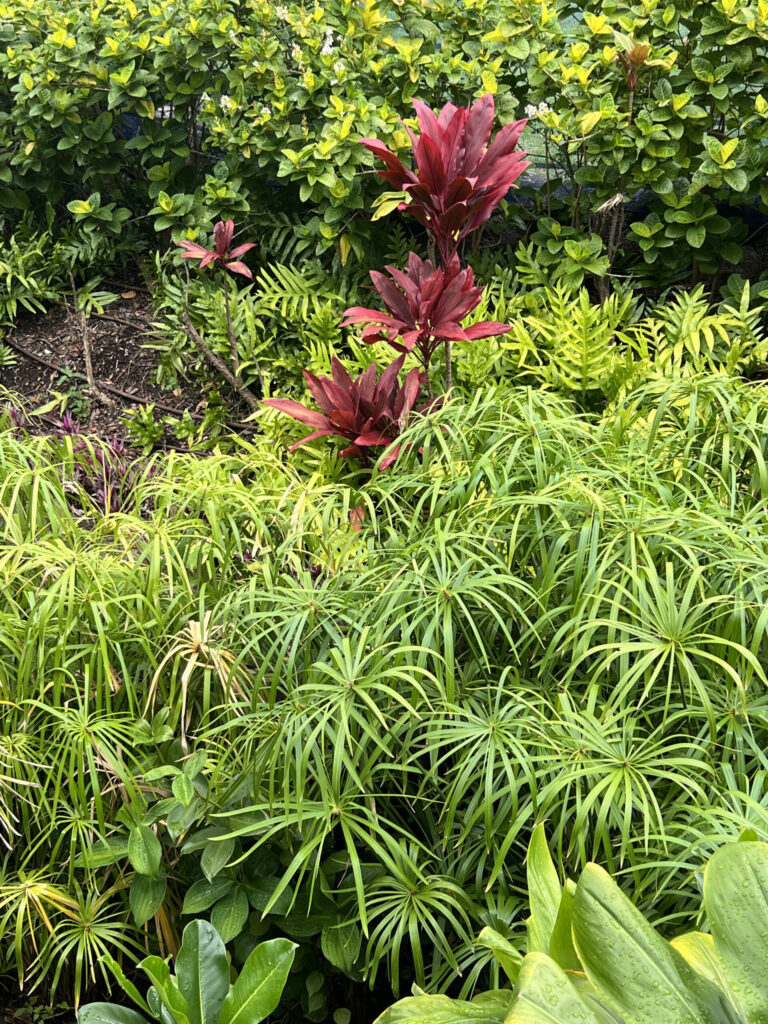
A single red leaf standing tall among lush green foliage is truly a striking sight,like a lone jewel. Its presence in gardens reflects the passion of those who cultivated beauty from a rare natural occurrence.
So the next time you spot a red Ti leaf in a Hawaiian park or garden, perhaps take a moment to imagine the long history carried by Polynesian navigators and dedicated growers who preserved and shaped this plant through the centuries.
\ Get the latest news /